

The Space Economy Institute is the world’s leading knowledge centre in the space economy sector. It offers an integrated set of services related to training, consulting, research, information and events, aimed at helping the humankind to seize the opportunities related to the space economy.
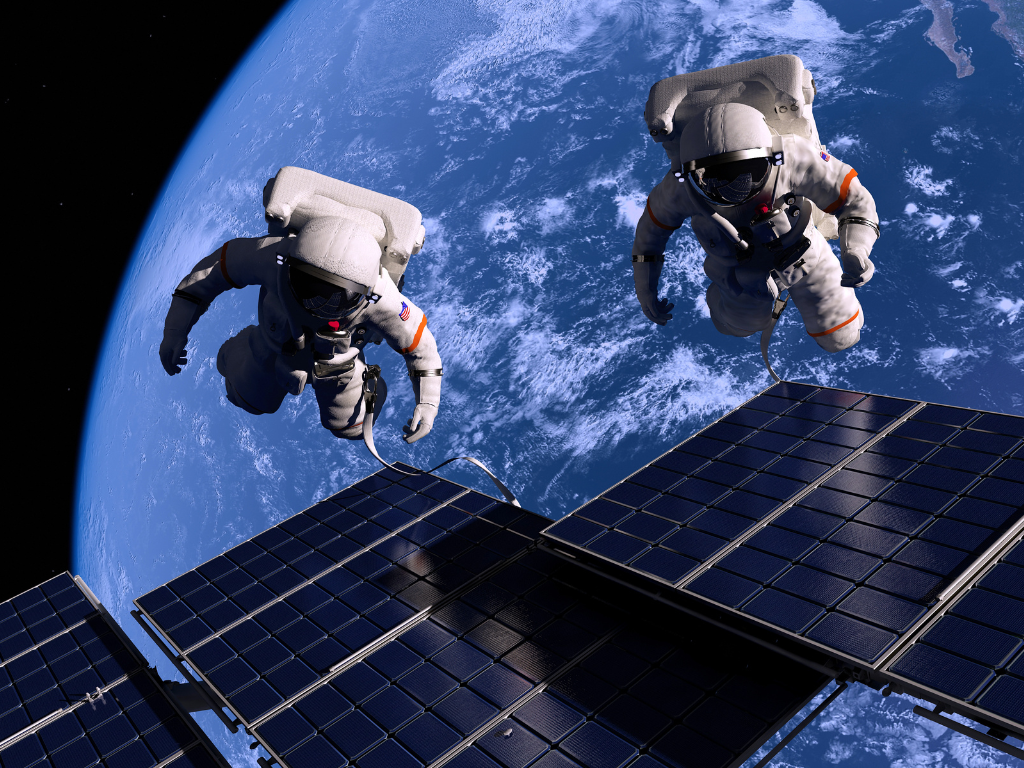
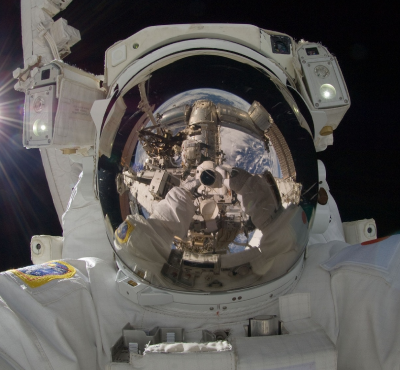




The space economy is a term indicating the production and financial sector oriented to the creation and use of goods and services and the exploitation of resources within the extra-atmospheric space.
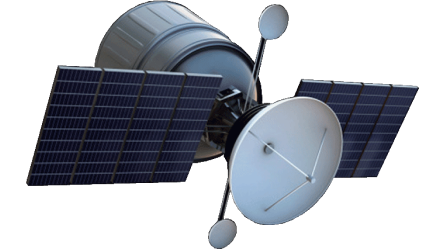
The upstream segment foresees the creation of space infrastructures, satellites, carriers, space stations up to future bases located on the moon or on rocky planets of the solar system.
The downstream segment relates to the benefits that derive from the data collected in space and, in the future, from the physical resources taken to be transformed and used on Earth
Master in Space Economy
The Master in Space Economy by the Space Economy Institute is an exclusive training program aimed at giving participants the opportunity to sharpen their skills and competencies to know, identify and seize the business opportunities related to space.









“I found the Master in Space Economy interesting, challenging, and rewarding. I learnt a lot by following the programme and the study Space Economy Institute set out.”
“We thought a lot before choosing the Space Economy Institute because we wanted to sure our investment would yield results. They are absolutely an invaluable partner.”
“Studying at the Space Economy Institute has been a truly invaluable learning experience for me. I feel that over the duration of the course I gained a lot of knowledge and practical strategies that will be beneficial to me, and those I deal with personally and professionally. The course exceeded my expectations significantly”.
-
Zero Industries Raises $3 Million for an Orbital Power Grid: Why Satellites May One Day Buy Electricity in Space
Every satellite needs electricity. Today, that usually means carrying its own solar panels and batteries from launch until the end of the mission. A new startup wants to challenge that model. Zero Industries has raised $3 million in pre-seed funding to develop Helios, a proposed system that would generate solar electricity in orbit and transmit
October 26, 2026 -
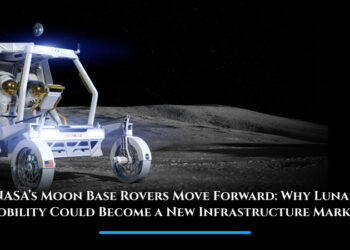
NASA’s Moon Base Rovers Move Forward: Why Lunar Mobility Could Become a New Infrastructure Market
NASA is moving closer to putting a new generation of vehicles on the Moon. In an October 20 progress update, the agency confirmed that lunar terrain vehicles developed by Astrolab and Lunar Outpost remain on track for flight-ready delivery by the end of 2027, with deployment to the lunar South Pole planned for 2028. The
October 23, 2026 -
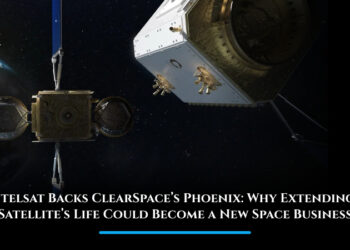
Eutelsat Backs ClearSpace’s Phoenix: Why Extending a Satellite’s Life Could Become a New Space Business
What if satellites could be maintained in orbit instead of simply replaced? On October 21, ClearSpace and satellite operator Eutelsat signed an agreement to cooperate on Phoenix, a mission designed to extend the operational life of satellites in geostationary orbit. The companies will work together on the technical and commercial requirements for the service, with
October 22, 2026 -
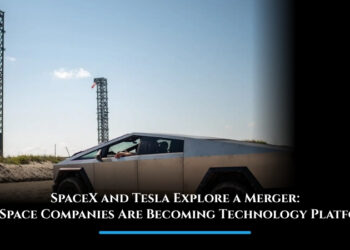
SpaceX and Tesla Explore a Merger: Why Space Companies Are Becoming Technology Platforms
SpaceX and Tesla are formally exploring a combination that could create one of the largest corporate mergers ever attempted. On October 20, Elon Musk confirmed that both companies have created independent special committees to evaluate a potential deal. No terms have been agreed and a merger remains uncertain, but investors reacted immediately: SpaceX shares jumped
October 21, 2026
Subscribe
Subscribe for the Space Economy Institute newsletter and don’t miss any news and opportunity.