
MASTER IN SPACE ECONOMY
Duration
12 months
Language
English
Learning Mode
Online
Lead the final frontier of business with an elite Master from the industry’s premier authority
The Master in Space Economy by the Space Economy Institute is an exclusive program designed for those ready to command the next economic era. This curriculum goes beyond traditional theory, equipping you with the strategic foresight and specialized competencies required to identify, navigate, and monetize the burgeoning opportunities within the space sector.
Engineered for both high-potential newcomers and seasoned executives, our distance-learning model provides the flexibility to schedule study patterns and tasks tailored to participants’ lifestyle.
Program Director
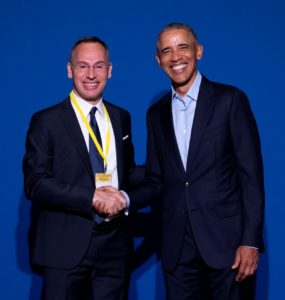
Antonio Ragusa is an internationally successful entrepreneur and the founder of educational institutions like Rome Business School, Rome Business School Nigeria, Space Economy Institute and other businesses operating across the five continents.
His commitment to making the world a better place by administering ethics- and social responsibility-oriented training has gained him numerous prestigious awards.
In his activity as a lecturer, author, and coach, he has trained and supported thousands of people worldwide. Being also active as a speaker, Antonio Ragusa aims at helping people to believe in themselves and to make their dreams come true.
Who Attends
Tailored for aerospace professionals, executives, and STEM experts, the Master in Space Economy bridges the gap between technical STEM expertise and high-level strategic management. Via a structured and flexible distance learning mode, this Master’s program offers an advanced, multi-dimensional analysis of the sector, allowing its future leaders to master the managerial, geopolitical, and regulatory complexities of the global space industry.
Career Impact
Graduates will be equipped to take on leadership and strategic roles across the global New Space ecosystem, including:
- Management & Strategy within international space agencies and private aerospace giants
- Space Policy & Regulatory Advising for governmental and international bodies
- Project Management for high-tech STEM firms and space-related startups
- Strategic Consultancy for innovation, digital transformation, and aerospace investment
- Financial & Investment Analysis specializing in the burgeoning Space Economy and Venture Capital
- Space Entrepreneurship: Launching and scaling New Space ventures and technology startups
Learning Outcomes
1. Strategic Managerial Leadership: Master the art of managing complex space systems, people, and processes through practical, results-oriented leadership strategies tailored for the orbital economy.
2. Market Insight & Opportunity Mapping: Gain a deep understanding of the global space ecosystem, allowing you to identify emerging trends, market segments, and high-growth commercial opportunities.
3. Entrepreneurial Venture Development: Cultivate the mindset and technical toolkit required to launch, scale, and lead successful “New Space” startups and corporate ventures.
4. Technological Innovation & Evaluation: Acquire the analytical skills to assess and implement cutting-edge technological solutions that drive efficiency and competitive advantage in space operations.
5. Legal, Ethical & Regulatory Mastery: Navigate the complex landscape of international space law, policy, and ethical frameworks to ensure responsible and compliant project execution.
6. Evidence-Based Decision Making: Develop the expertise to evaluate, select, and manage high-stakes space projects, optimizing resources to achieve superior industrial and financial results.
Curriculum
The educational program spans a total of 12 months, featuring a dynamic blend of seminars, workshops, interactive sessions, and other innovative teaching methodologies.
Space Economy Fundamentals
- History, concept, categories and trends in the space economy
- Actors, technologies and drivers of the space economy
- The global space economy: from America to Europe and emerging markets
The business opportunities related to the space economy’s upstream sector
- Design, manufacture, assembly, launch, functioning, maintenance, monitoring and repair of spacecrafts
- Developments related to nanosatellites and the democratization of the space economy
- Business opportunities offered by EGNOS, Galileo and Copernicus programs
- Space economy spin-offs
The space economy’s downstream segment and its applications
- Communication and information technology
- Transportation and Navigation
- Agriculture and food security
- Earth observation
- Telemedicine, biomedical and pharmaceutical
- Space tourism
- Space mining
- Applied research
- Financial and insurance services
- Defence
- Manufacturing
- Other fields of application
Legal and Ethical Aspects in Space economy
- International normative frameworks and their application in domestic contexts
- International cooperation for responsible and sustainable space activities
- Space economy and its support to post-COVID 19 recovery.
- Space economy and its contribution to the achievement of the Sustainable
- Development Goals – SDGs – of the United Nations
The latest technological developments relevant for the space economy
- The LEO (Low Earth Orbit) continuum from R&D to scalable manufacturing
- R&D currently taking place in LEO and Cis-Lunar, and the value of this activity terrestrially
- The continuum from R&D to small scale manufacturing to scale up production in space.
Core management modules
- Accounting
- Business Strategy
- Marketing
- Entrepreneurship and business planning
- Human Resource Management
- Project Management
- Supply Chain Management
- Finance
Schedule, Format & Delivery
The program commences in October and spans 12 months. Our Blended Digital Model is specifically designed for high-performing professionals, balancing high-impact live interaction with flexible, self-paced learning.
- Live Interactive Sessions: One 2-hour intensive masterclass per week, delivered through our Live Virtual Classroom.
- On-Demand Excellence: Comprehensive access to an exclusive repository of digital resources, including technical deep-dives, strategic case studies, and industry-specific toolkits to be completed at your own pace.
The Space Economy Accelerator
The Space Economy Accelerator is the experiential engine of our Master’s program, designed to bridge the gap between theory and executive-level performance. By integrating intensive leadership coaching, direct mentorship from industry titans, and a high-stakes final project, we ensure you don’t just enter the market; you lead it. This is where your career moves beyond the textbook and into the future of the orbital economy.
Practice Lab
Students spend 10 hours immersed in the Practice Lab, where theoretical concepts are put in practice and participants learn through experience. The Lab is run by managers from leading national or international companies in the industry, who will examine different specialist knowledge, work on exercises and network, while sharing their experience and expertise with the students. The Lab is entirely run by the School’s Partner Companies and the activities included are specific for each Master program and goal.
Leadership Program
In the rapidly evolving Space Economy, technical innovation is only as powerful as the leadership behind it. Our Leadership Program is a practice-based journey designed to transform you into a future-ready executive. Through five interactive modules—featuring self-assessments, role-plays, and simulations—you will evolve from an expert into a visionary leader.
Capstone Project
The culmination of your Master’s journey is a high-impact Capstone Project. This is your opportunity to step into the role of a company leader, applying everything you’ve learned to solve a real-world business challenge within the global space ecosystem.
Translate your talent into a revolutionary strategy and show the industry what you are capable of.
Faculty
At the Space Economy Institute , our faculty represents the pinnacle of expertise in the space economy, bringing together leading minds from across the globe. These accomplished professionals combine academic excellence with hands-on experience in space systems, economics, law, medicine, engineering, and innovation.
Our instructors have played key roles in major space missions, advised international organizations, and contributed to cutting-edge research shaping the future of the space industry. With backgrounds spanning institutions such as the European Space Agency , NASA , Blue Origin, and more, our faculty offer students a uniquely global and interdisciplinary perspective.
Led by visionary educator and founder Prof. Antonio Ragusa , our faculty is committed to delivering a transformative learning experience. Their passion for education, innovation, and global impact defines the ethos of the Space Economy Institute.
When you learn from the best, you prepare for the future. Join us and gain access to world-class instruction, cutting-edge content, and a global network of space professionals.
Alberto Tuozzi

Alberto Tuozzi holds a Master Degree cum laude in Electronic Engineering – University of Rome La Sapienza. Presently Head of the EU Relations Unit in the Italian Space Agency (ASI) and Chair of the European Space Agency Board on Telecommunication (JCB).
Previously Head of Telecommunication and Navigation Division and Acting Chair and Vice Chair of the European GNSS Agency (GSA).
Appointed as Italian National Delegate to ESA PB-NAV (board for satellite navigation acitivies) since 2002 and advisor to the ESA Council.
National Delegate to European Union Space Committee both in the horizontal and Galileo/EGNOS configurations and National representative in the ICG (International Committee on GNSS) under UN COPOUS.
He has been working for more than 37 years in the Space Field, firstly in the industrial sector (17 years) and then in the public one, taking responsibilities for large space programme management with particular regard to design, implementation, operations and Strategic Elaboration.
His main activities have been in Space Telecommunication, Satellite Navigation and Space Strategy.
Since October 2022 is appointed as President of the E. Amaldi Foundation.
He is currently coordinator for the Italian Space Agency of several relevant space research projects, like use of artificial intelligence, and for the development of space applications for the benefit of citizens.
He has been appointed as National Delegate to ESA JCB, to ESA Industrial Policy Committee, to ESA Programme Board on Earth Observation (PB-EO), to ESA Scientific Programme Committee, and to the EUMETSAT Council.
He has been responsible for the operation of several Italian space missions (Telecommunication, Scientific and Technological missions) and for the ground segment implementation and operations of the ESA ARTEMIS satellite.
On the base of this long experience in the space sector, he also carries out teaching activities in University Masters and is author of several papers and speeches in international conferences.
Jeffrey Scallon

Professor Scallon is an accomplished space industry professional, with expertise spanning engineering innovation, aeromedical research, and business strategy.
As an astronaut candidate finalist in 2017, he has contributed to the advancement of aerospace technologies, including testing space suits, new aircraft design, supporting deep space missions, and launching payloads on suborbital flights.
With advanced degrees in engineering and medicine, professor Scallon integrates these disciplines to address complex challenges in science and technology.
His work in strategic financial planning and consulting has supported the development of emerging spaceflight companies, and his academic role as a professor reflects his dedication to education and mentorship.
Michelangelo Ambrosini
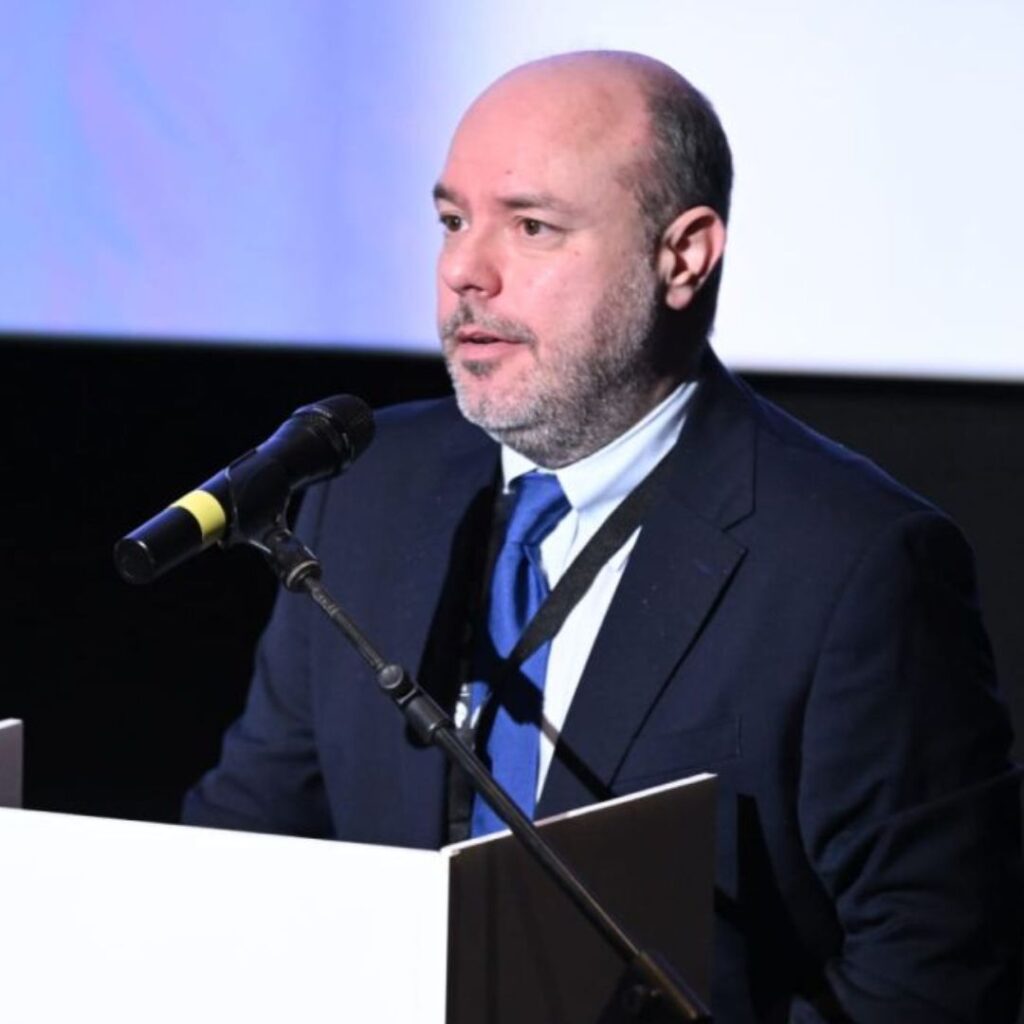
As MTG Deputy Space Segment Manager, Technical Officer And Operations at EUMETSAT, Michelangelo Ambrosini has extensive experience in spacecraft operations and simulations, particularly in the field of Earth
observation and remote sensing.
Currently serving as a Faculty Member at the Space Economy Institute, Michelangelo has also worked with organizations such as EUMETSAT, European Commission, LSE Space GmbH, DLR GfR mbH, Telespazio Germany GmbH, Thales Alenia Space, and the European Space Agency. Their roles have included responsibilities in system engineering, flight control team membership, simulations management, and training coordination. Michelangelo holds certifications in project management, quality management systems, and various Earth observation and remote sensing applications. Their diverse background showcases a wealth of expertise in the space industry.
Kelly Soverns

Kelly Soverns is a seasoned space professional with over 15 years of experience in the aerospace industry, with a particular focus on space systems. She holds dual master’s degrees—one in Space Studies with a concentration in space policy, and another in International Relations, specializing in conflict resolution.
Currently, she is advancing research in space governance and international space cooperation, exploring how evolving norms and institutions shape the global space economy. She is the author of an ongoing Space Economy series on LinkedIn that examines commercial, strategic, and policy dimensions of space activity. In parallel, she contributes to NASA analog space missions in roles spanning communications, science operations, and human factors research—collaborating with teams through the American Public University System (APUS) and the University of North Dakota (UND). She is also preparing for two upcoming missions in 2025, serving as a Mission Control team member.
Her work reflects a deep commitment to shaping the future of space through interdisciplinary insight, hands on experience, and thought leadership. She is currently drafting a PhD research proposal on space governance and global cooperation frameworks, with the aim of contributing new perspectives to emerging space law and policy discourse.
Marco Mongiello

With over two decades of experience in UK Higher Education and as a Chartered Accountant with the Institute of Chartered Accountants for England and Wales (ICAEW), Marco champions the vision of bringing a positive impact on society, by contributing to and nurturing the values of responsible and creative leadership in businesses and wider communities globally, through education. Marco has served The University of Law as Pro Vice-Chancellor for Business and Science, the University of Surrey as Dean International, and Executive Director for PG Programmes in the Business School. Prior to that, he served at the Imperial College Business School, where he launched and led world ranked MSc and MBA
programmes. Marco contributes to the operations of UK and international bodies aimed at upholding and redefining the highest standards of education globally. Marco holds a PhD and has a research interest in performance measurement and management.
Marco has had an impact in policy making. Expert in quality measurement and management. Champion of innovation in student experience and social purpose. Pioneer of AI in Education.
Gabrielle Caswell

Dr. Gabrielle Caswell is a pioneering practitioner-scholar at the intersection of orbital infrastructure and human endurance. As the founder of Space Port Australia—an independent research hub predating the Australian Space Agency—she holds the rare distinction of being the only clinician worldwide to own and operate a spaceport. Currently leading an EU-accredited global Masters program in Space Health and Human Factors, Dr. Caswell’s work is fundamental to the commercial viability of long-term space habitation, focusing on the biological and structural requirements for human life in microgravity.
Beyond her clinical and technical expertise, Dr. Caswell is a seasoned strategist with over 25 years of experience in government bodies, commercial media, legislation requirements and lobbying. Her role as an eight-time finalist for the Australia Space Awards and her Fellowship with the Aerospace Human Factors Association highlight her influence in shaping the frameworks of the modern space sector. By bridging the gap between molecular research and macro-scale space policy, she provides students with an integrated understanding of the human, legal, and commercial assets required to sustain a thriving extraterrestrial economy.
Ryan Anderson
As a space systems engineer with over 20 years’ experience, Ryan has worked on dozens of satellite programs spanning the whole lifecycle of design, development, and operations. Ryan was instrumental in the early development of Telesat’s Lightspeed constellation. Other highlights include work on COSPAS-SARSAT, Polar Communications and Weather, Anik F2, Anik G1, Nimiq 6, NEOSSat, and many other programs in the private and public sector.
Ryan graduated, cum laude, from the University of Ottawa in 2004 with bachelor degrees in Mechanical Engineering and Computing Technology. His studies included an undergraduate thesis on earth observation satellite systems. In 2016, he completed a Master of Applied Science in Aerospace engineering at Carleton University with a thesis focused on systems and thermal design of a satellite for polar communications.
An active member of space and engineering communities, Ryan is President of the Canadian Space Society, a registered Canadian charity that provides outreach and education about Canadian space activities. The CSS is currently supporting several space-based technical programs in Canada such as the high school CanSat competition and the university level Launch Canada competition.
Ryan is also the founder and board member of Satellite Canada Innovation Network, a not-for-profit industry association dedicated to driving the competitiveness of the Canadian space industry. Since 2016, Satcan has provided strategic consulting services to small and medium enterprises in and adjacent to the space sector. In collaboration with the National Research Council, SatCan helped establish the Optical Satcom Consortium (OSC), to advance Canadian R&D in this emerging field.
Ryan serves on the Board of Advisors for the Students for Exploration and Development of Space and has served as a board member of for-profit corporations. He has volunteered for the National Research Council’s Marsville and Engineering Challenge programs to encourage Canadian students to pursue careers in science and engineering and served as Lead Engineer on the 31 st Crew at the Mars Desert Research Station.
Anilkumar Dave
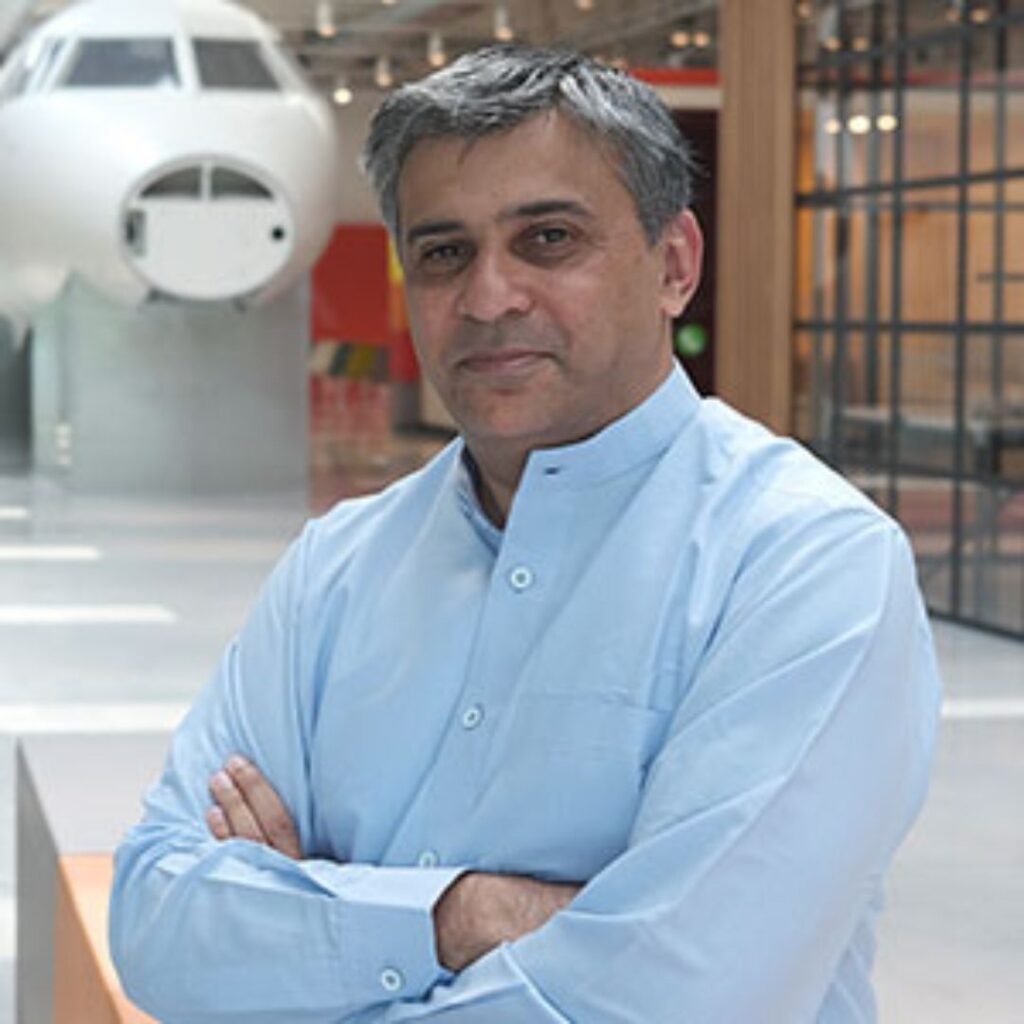
Mr. Dave started his career as an IT specialist between Italy, USA and India before managing EU co-funded R&D and Tech. Transf. (TT) initiatives representing public organizations (e.g. Italian Min. of Econ. Dev., Regional Innovation Agency, etc) and private entities focusing on interaction between Res. and Ind. He designed, launched and directed the “Innovation and TT” Unit at ASI (Italian Space Agency) working on New Space Economy topics, namely start-ups, risk finance and IPR, before becoming Open Innovation advisor to the president and coordinator of the ASI OECD team. He founded the first Space Economy advisory firm in Italy and is currently member of the board of Global Entrepreneurship Network Space, advisor of Polytechnic of Milan Space Economy observatory and of Italian Institute of Technology Space lab. Since 2022 he has been a partner of the VC fund ‘Star Tech Venture’. Mr. Dave has worked in different sectors ranging from textile/clothing to footwear, from logistics to households, from FMCGs to Agro-food and acknowledged in the past as Strategy Advisor for Research organizations in pediatrics hemato-oncology and micro-nano fabrication. He is regularly invited as speaker to international events and lectureships
Ilaria Cinelli
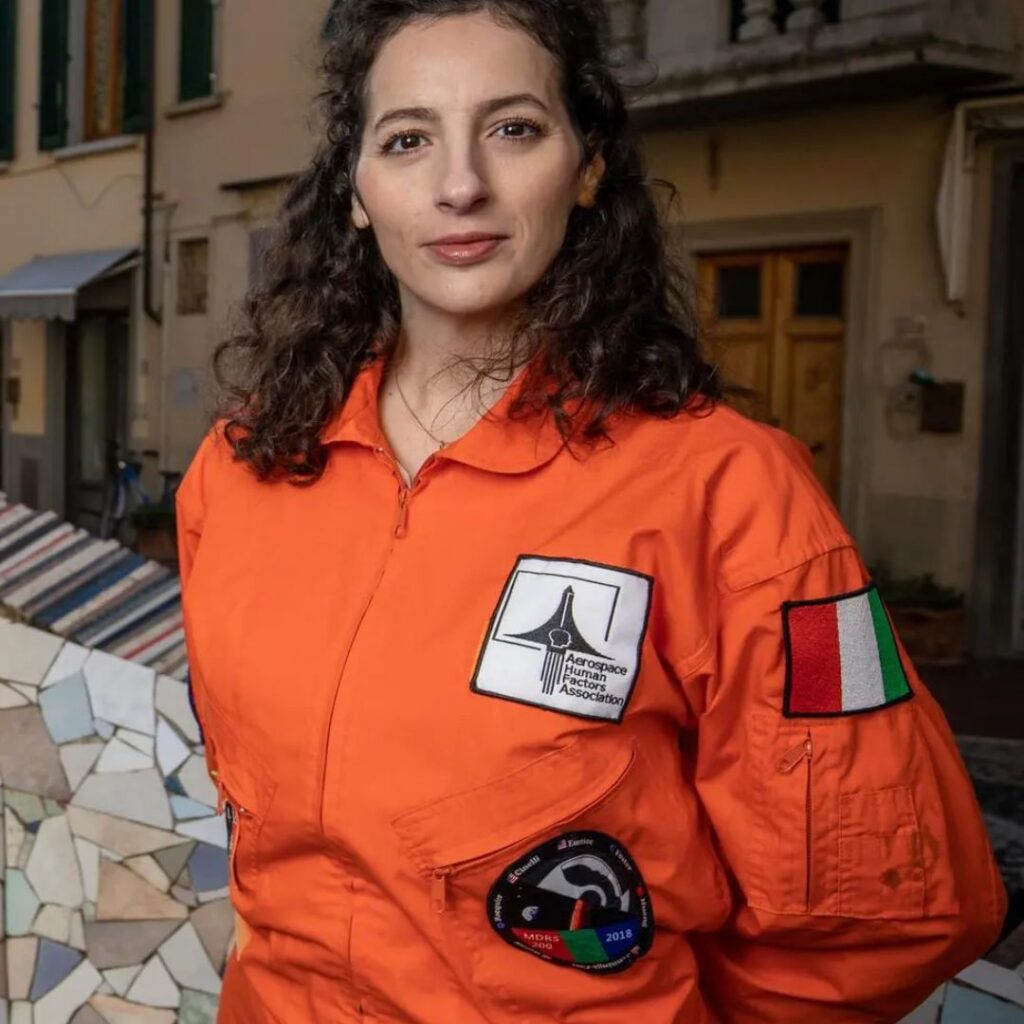
Ilaria is a Fellow of the Aerospace Medical Association, President of the Aerospace Human Factors Association and a Member-at-Large of the Aerospace Medical Council. She is also Co-Leader of the Space Exploration Group of the Space Generation Advisory Council and an invited member of The Mars Society
Steering Committee. In the end, she is a Mentor and Role Model of the Space4Women network of the United Nations Office for Outer Space Affairs.
Her work experiences are in biomedical engineering, neural engineering, human factors, mission design, analogue missions, space medicine, leadership, coaching and management, business development. A few awards include the ESA scholarship 2018 by the International Space University, the Anita Mantri Scholarship 2018 by the Aerospace Medical Association and two Emerging Space Leaders Scholarships (2016 and 2017) by The Mars Society.
Massimo Sterpi
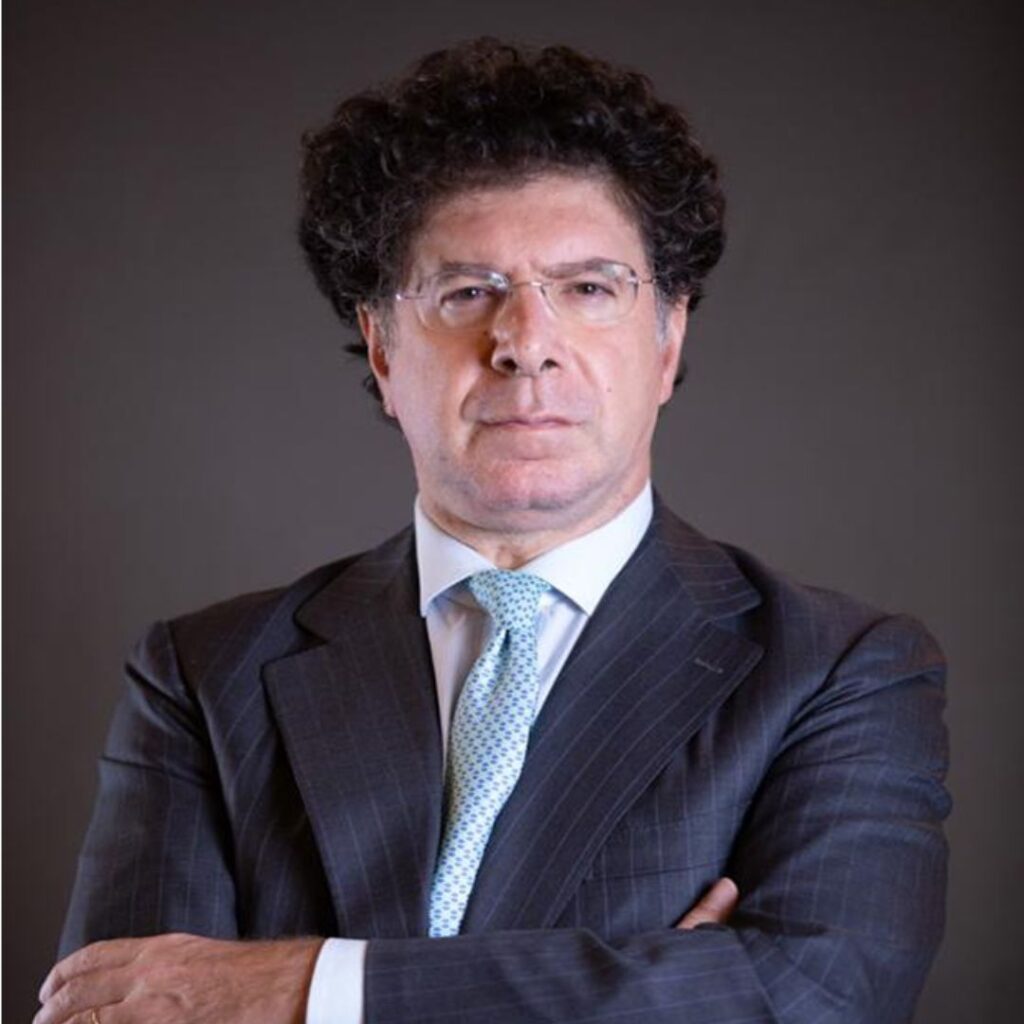
Prof. Massimo Sterpi specializes in the field of intellectual property, in which he has acquired a great deal of experience in judicial and extrajudicial matters relating to patents, designs, copyrights and trademarks. In recent years, he has been very active in legal matters relating to Disruptive Technologies, with a particular focus on Artificial Intelligence, Blockchain and robotics. He has assisted in numerous IP cases, many of which involve cross-border issues, both before Italian and foreign courts, including the European Court of Justice. A passionate art collector, he has also gained internationally recognized experience in the field of art law, representing world-renowned artists, institutions and collectors.
Massimo graduated in Law cum laude from the University of Turin in 1989 and obtained a Post-graduate Diploma in “UK and EC Law of Copyright and Related Rights” from King’s College London in 2000. He also spent training periods in prestigious international firms in London in 1994 and Munich in 1995.
In 2023 he was awarded as “Professional of the Year – Art” at the Legalcommunity IP&TMT Awards. He is the author and editor of numerous publications, especially in foreign languages, on industrial property and art law. Furthermore, he often participates as a speaker at numerous conferences at both national and
international level.
Massimo is included in the WIPO List of Mediators and Arbitrators in Intellectual Property Matters, as well as in the WIPO List of Arbitrators in Art and Cultural Heritage Matters. He was President of the Commission on Art Law, Cultural Institutions and Artistic Heritage of the IBA and is currently President of the Art Law Committee of the UIA.
Ludovica Rossi
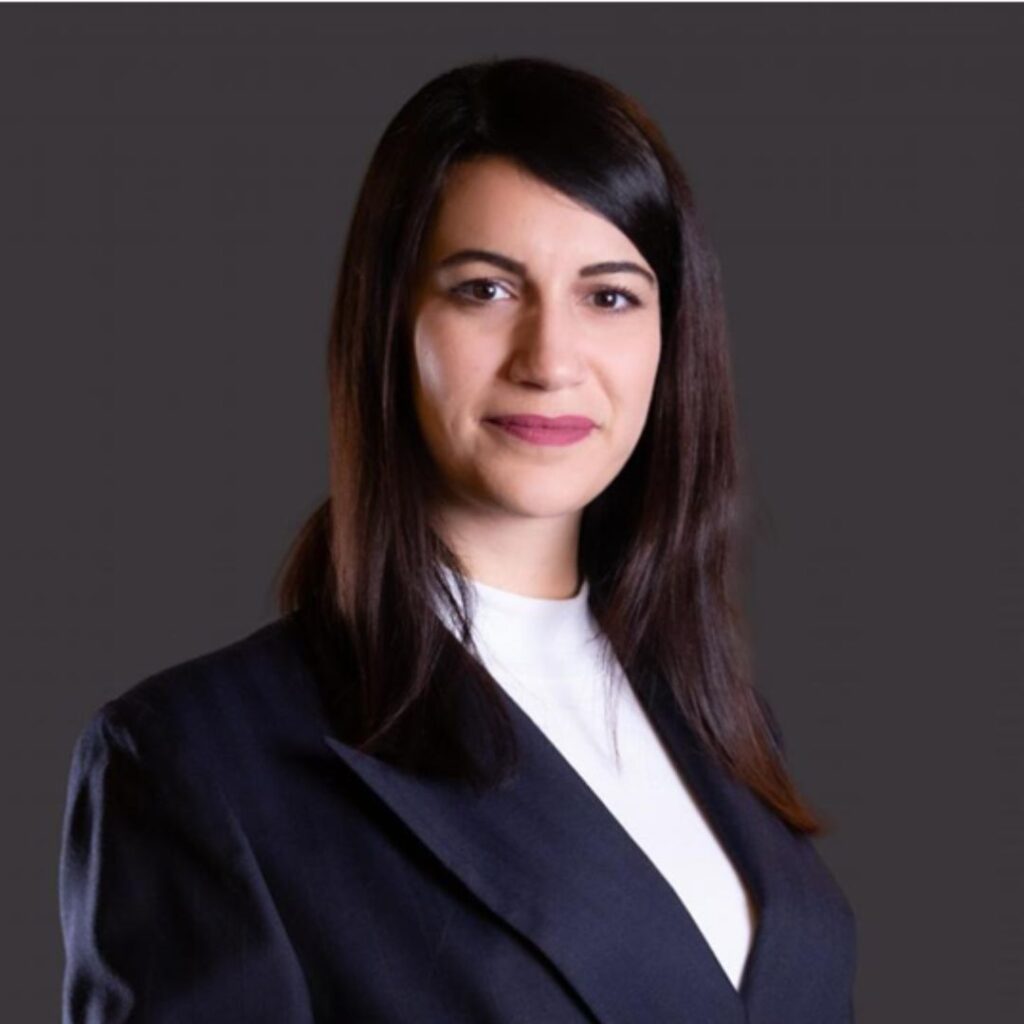
Ludovica Rossi deals with civil litigation, with a focus on insurance law, providing assistance and advice even in the extrajudicial phase. Before joining Gianni & Origoni, she collaborated with a leading Italian law firm, with offices in Italy and abroad. She graduated in Law at University “Roma Tre” in 2015. She was admitted to the Italian Bar in 2017 and became a member in 2018.
Laura Camardelli

Laura Camardelli is a lawyer specialized in new technologies and space law. She currently collaborates with the Cybersecurity, Data Protection and Space Law department of the Gianni & Origoni law firm and has gained experience at leading Italian and international law firms.
She is a speaker at national and international conferences and conventions and author of numerous scientific publications in the field of law applied to new technologies, cybersecurity and the space economy.
She graduated cum laude from the Alma Mater Studiorum – University of Bologna in 2019 and simultaneously obtained an LL.M. in Intellectual Property and Information Law from King’s College London.
Natasha Valentine

In her role as a Human Resources Consultant, Natasha, with considerable experience in talent management, recognizes the importance of fostering an inclusive culture in the workplace. She has developed and delivered conferences, workshops/presentations on diversity recruiting, workplace bias and intercultural
communication in university and corporate academic settings. Over 20 years of experience in Human Resources (Canada and Italy). For over 7 years Program Director at the Rome Business School for the Master in Human Resources Management, Global and International.
Industry Partners & Affiliations
At the Space Economy Institute , we are proud to collaborate with a global network of prestigious institutions, space agencies, research organizations, and industry leaders. These partnerships enhance our academic programs, enrich our research capabilities, and ensure our curriculum remains at the forefront of innovation in the space economy.
Our faculty and academic board members are actively engaged with world-renowned organizations such as the European Space Agency (ESA) , NASA , EUMETSAT , and the Italian Space Agency (ASI) — institutions driving the future of space exploration and satellite technology. Their expertise is further strengthened through affiliations with leading academic institutions including the University of Oxford , King’s College London , and Carleton University , ensuring a rigorous, globally informed educational experience.
In addition, our network includes strategic partnerships with organizations shaping the commercial and policy landscape of the space sector, such as the Canadian Space Society , Satellite Canada Innovation Network (SatCan) , and the Global Space Port Alliance . These connections provide our students with access to real-world insights, cutting-edge developments, and professional opportunities in the rapidly expanding space economy.
Our faculty also contribute to innovation and governance through roles in legal, economic, and technological advisory bodies, including the World Intellectual Property Organization (WIPO) , the International Bar Association (IBA) , and the European GNSS Agency (GSA) .
These affiliations reflect our commitment to excellence, credibility, and impact. By aligning with leaders across sectors, we empower our students to become part of a global space economy that is dynamic, inclusive, and forward-thinking.
Join the Space Economy Institute and learn alongside the institutions shaping the future of space.
Enrollment Process
To enroll in the program, candidates must successfully complete an admission interview designed to evaluate their skills, motivation, and potential. This interview will be conducted remotely.
In order to apply for your admission interview, please complete the application form. The following documentation will be required:
- Copy of Degree Certificate
- Updated CV/Resume
- Copy of valid ID or Passport
- Digital passport-sized photograph
- TOEFL/IELTS Certificate (optional)
Entry Requirements
- At least hold a three-year bachelor degree from any background
- Be fluent in the English language
Fees and Financing
Tuition fee
The total investment for the Master in Space Economy is €9.000, structured into four installments for your convenience. To secure your place in the program, an initial payment of €1.000 is due upon confirmation of admission.
Your tuition is all-inclusive, providing seamless access to our advanced virtual learning ecosystem and all proprietary digital course materials required to master the space frontier.
Strategic Incentives & Corporate Benefits
The Space Economy Institute is committed to fostering leadership within the sector by offering a suite of financial incentives for our executive programs. Please note that these benefits are exclusive and cannot be combined with other sponsorships, scholarships, or promotional reductions.
Institutional & Corporate Synergy
To support organizations in scaling their internal expertise, a 10% reduction in tuition is granted to Corporations, Institutions, and Public Administrations that facilitate multiple enrollments for the same program intake.
Advanced Admission Incentives
We reward forward-thinking professionals who demonstrate early commitment to their career trajectory through our tiered enrollment benefits:
- 90-Day Early Bird: Applications submitted at least 90 days prior to the program commencement qualify for a 15% reduction in the total investment.
- 60-Day Early Bird: Applications submitted at least 60 days before the program start date qualify for a 10% reduction.
- 30-Day Early Bird: Applications submitted at least 30 days in advance qualify for a 5% reduction.