
SpaceX’s Historic IPO: Catalyzing the Trillion-Dollar Space Economy
- June 16, 2026
- Posted by: admin
- Category: Finance & accounting
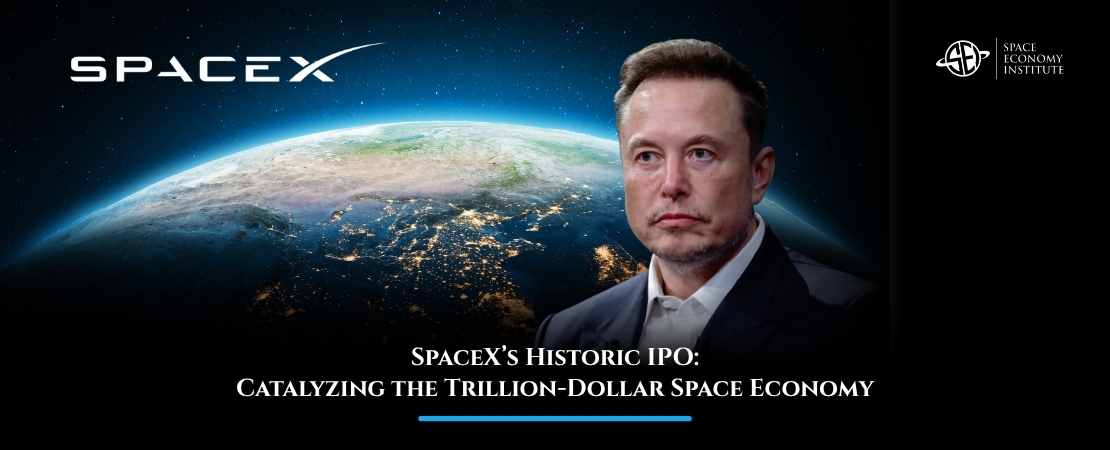
As of June 2026, SpaceX has made history with the largest IPO in history, marking a pivotal moment for the commercial space sector. Valued in the hundreds of billions, the public debut of Elon Musk’s rocket company signals the mainstream financialization of space infrastructure. The global space economy, already exceeding $600 billion, is on track to reach $1.8 trillion by 2035. This transition from government-dominated projects to investor-driven enterprises is reshaping how humanity accesses and utilizes space.
The IPO Milestone and Market Momentum
SpaceX’s IPO arrives amid explosive growth in reusable launch capabilities and satellite megaconstellations. Starship Version 3, with its upgraded Raptor engines and new launch infrastructure, is advancing toward routine operations, including ambitious plans for uncrewed Mars missions as early as late 2026. The company’s ability to slash launch costs has democratized access to orbit, enabling everything from Starlink’s global broadband to NASA’s Artemis lunar ambitions.
Private investment, though fluctuating, combines with sustained government spending—$138 billion in 2025—to fuel innovation. Commercial trends such as proliferated low-Earth orbit (LEO) architectures, in-orbit servicing, and direct-to-device connectivity are creating new revenue streams. Companies like Amazon’s Project Kuiper are scaling alongside Starlink, while emerging players target orbital manufacturing and space tourism.
Economic and Strategic Implications
The public listing provides SpaceX with capital to accelerate Starship development, expand Starbase, and pursue multiplanetary goals. It also validates the NewSpace model for broader markets. Investors gain exposure to high-growth segments: satellite services, launch, and downstream applications in Earth observation, climate monitoring, and defense.
Sovereign nations are responding by forging public-private partnerships. The U.S. maintains leadership through programs like the Space Development Agency, while Europe, China, and others invest in independent capabilities. This “sovereign space” trend ensures strategic autonomy but also raises orbital congestion and debris challenges.
Sustainability becomes critical. With thousands of satellites launching annually, operators must prioritize end-of-life deorbiting, active debris removal, and responsible spectrum management. AI-driven autonomy will optimize operations, reducing risks and costs.
Technological Enablers and Future Horizons
Starship’s progress toward orbital refueling and rapid reusability is foundational. Success here could enable crewed lunar bases, Mars cargo precursors with Optimus robots, and eventually self-sustaining outposts. On the commercial front, private space stations from Axiom, Vast, and others will succeed the ISS, hosting research, manufacturing, and tourism.
Downstream, space-enabled services—precision agriculture, logistics optimization, disaster response—will generate trillions in terrestrial economic value. The space economy is no longer just rockets and satellites; it is infrastructure powering AI, connectivity, and planetary defense.
Conclusion
SpaceX’s IPO is more than a corporate event—it crystallizes the shift to a mature, commercially vibrant space economy. By lowering barriers to entry and attracting public capital, it accelerates innovation that benefits Earth and extends humanity’s reach. Challenges remain: regulatory harmonization, space traffic management, and equitable access. Yet the trajectory is clear. A multi-trillion-dollar space economy promises unprecedented prosperity, resilience, and discovery. The stars are no longer the final frontier—they are the next market.